

Was thrilled to be part of the FilmStack Inspiration Challenge.
I have always been drawn to documentary filmmaking, the kind that tells stories about ordinary people thrust into extraordinary circumstances. I can trace that obsession back to a single documentary film about the Andes plane crash.
On October 13, 1972, Uruguayan Air Force Flight 571, carrying a rugby team and their friends and family from Montevideo to Santiago, crashed into the Andes Mountains after the inexperienced co-pilot misjudged the plane’s position and began descending too early. The aircraft struck a mountain, losing its wings and tail before the fuselage slid down a glacier and came to rest high in the remote Andes. Of the 45 people on board, 12 died immediately and several more soon after from injuries and the extreme cold. Although search planes flew over the area, the white fuselage blended into the snow, and rescue efforts were called off after eight days, leaving 29 survivors stranded at over 11,000 feet with no way to contact the outside world.
The survivors took shelter inside the broken fuselage, melting snow for water and rationing a very small supply of food, which ran out within a week. With no vegetation or animals in the area and facing starvation, they made the agonizing decision to consume the bodies of those who had died, a choice deeply conflicted by their religious beliefs but seen as the only way to survive. An avalanche later buried the fuselage, killing eight more people and convincing the remaining survivors that they had to attempt self-rescue. Despite extreme weakness, cold, and lack of equipment, two survivors, Nando Parrado and Roberto Canessa, eventually crossed a mountain peak and followed a river west toward Chile.
After days of walking, Parrado and Canessa encountered a Chilean horseman, who alerted authorities. Rescue teams were sent back to the crash site by helicopter, and over the next two days the remaining survivors were evacuated. In total, 16 people survived 72 days in the Andes. Their ordeal became known as the “Miracle of the Andes,” a powerful story of endurance, moral struggle, and the will to survive under unimaginable conditions.
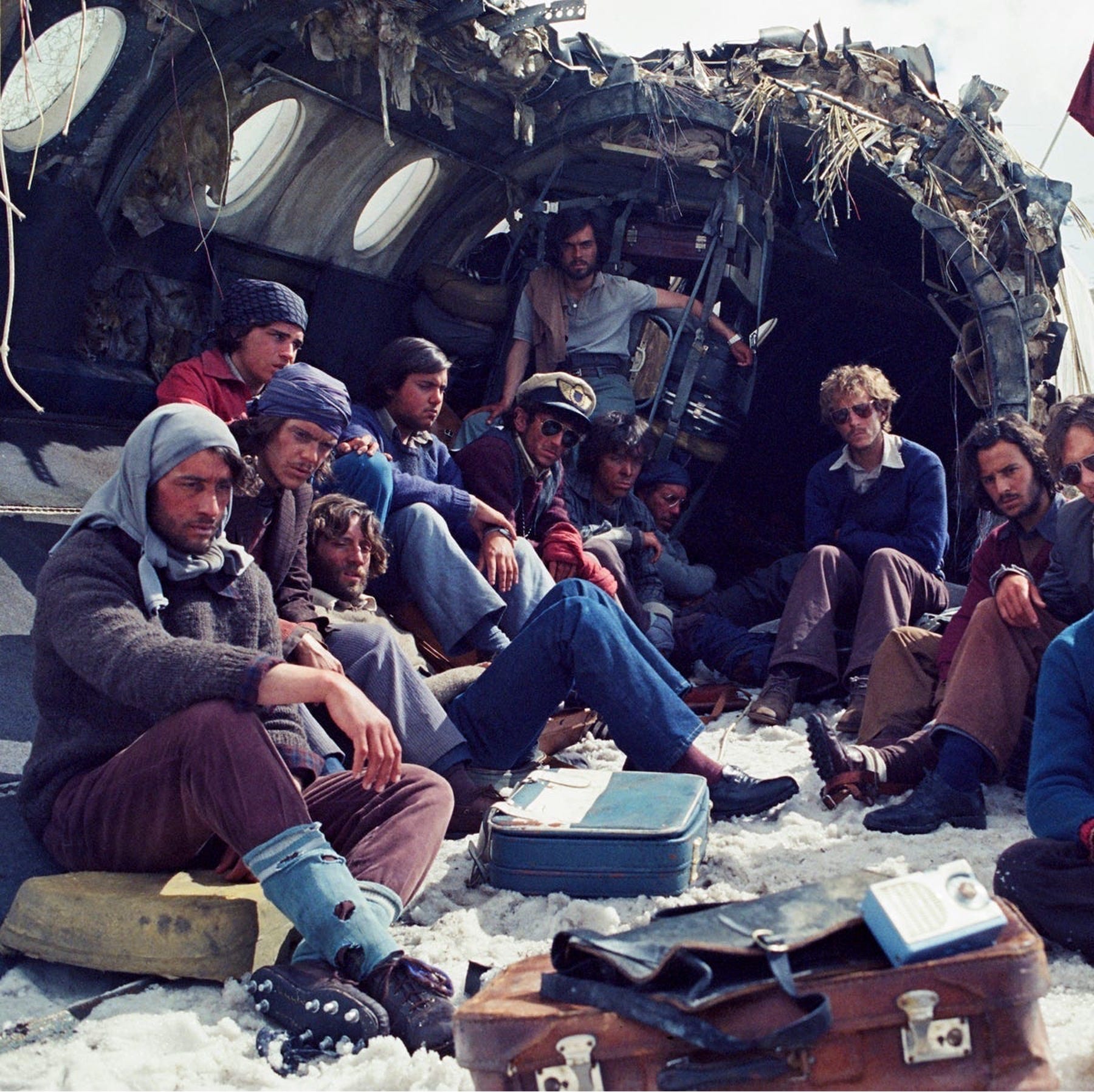
What unfolded was not simply a survival story, but a moral, psychological, and physical reckoning that challenged everything we think we know about human endurance.
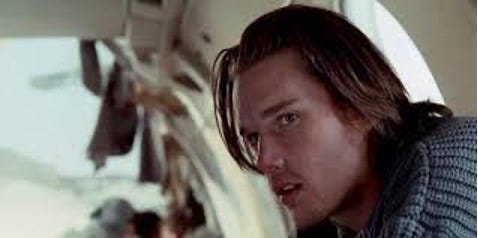
The 1993 feature film Alive, starring Ethan Hawke, dramatized the true story, but it wasn’t enough for me to watch the film. I needed to know what happened next. That obsession led me to Alive: 20 Years Later, the documentary that truly cemented my love for nonfiction storytelling. Narrated by Martin Sheen, it followed 16 of the survivors two decades after the crash, exploring how they rebuilt their lives and how the making of Alive forced them to revisit the most harrowing chapter of their existence. I wanted to see their faces, understand their choices, and learn about those who didn’t survive. I searched for photographs, read everything I could find, and tried to reconcile the people onscreen with the real men who had lived through the unthinkable.
I am of the belief that feature films can introduce you to a story, but a documentary invites you to stay with it. Documentary filmmakers don’t offer closure, instead they offer continuity. They show us the ripple effects of trauma, survival, and resilience. They allow people to reclaim their narratives in their own voices, rather than being reduced to a headline or a dramatic reenactment.
In episode 616, I interviewed Brad Osborne, the writer and director of I Am Alive: Surviving the Andes Plane Crash. He also completed 50th anniversary documentary The Andes Tragedy: 50 Years Later.
Wow, I'll have to check this out. I didn't realize there was a documentary that profiled the survivors 20 years later. I loved 'Society of the Snow.'
I distinctly remember my roommate reading the nonfiction book written in 1974 by Piers Paul Read -- Alive -- which I assume was the basis of the movie and documentary. I am definitely searching for the documentary exploring how these men have coped with their memories throughout their lives. Thanks for the heads-up!